

Employee Health and Wellbeing Wellbeing at Work 2026: The Definitive Guide for Employers
With the new year upon us, it’s a common time for people to look at their wellbeing and ways to improve it. Employers should be aware that wellbeing at work is high on their agenda.

As an employer, it is of utmost importance to review the wellbeing practices currently in place, identify areas that are lacking or could be improved, and understand what it encompasses. After all, wellbeing at work is essential for employee engagement, performance, and long-term business success.
Employee wellbeing is often seen as an expensive luxury, generally in the form of medical insurance or private medical care. However, this is just one element of employee wellbeing, and there are many areas and a wide range of options for supporting staff. Some are small changes that cost nothing and should already be in place within your organisation.
Reviews/1-1’s:

Performance reviews/1-1s at regular intervals – This is a common process step that is often overlooked and not incorporated into business procedures. Yet they are one of the simplest and most important ways to build connection and trust between you and your employees. Employees need direction to know where they are achieving and where they could improve. They need to identify why they are not hitting the requirements and how employers can support them, so they have a chance at success in those areas. Employee wellbeing is closely linked to feeling heard, valued, cared for, and that what they are doing matters. Without direction, value, being heard, etc., this can contribute to negative employee wellbeing, attitudes, behaviours, motivation, performance, and even mental health issues. These meetings can also help identify any challenges employees are facing, including personal issues that may be affecting their work, giving the employer the opportunity to provide support and/or any reasonable adjustments, if applicable, to ways of working, workload, etc.
Sick days:

Sickness-related absence is at an all-time high, and prevention is much better (and less costly) than cure. Employee mental ill health accounts for the highest proportion of long-term sick leave. An effective employee support system that promotes physical and mental wellbeing will help reduce the number of employees needing to be off work. There are many ways in which you can support employees
- Have trained mental health first aiders for specific ports of call
- Train employees on the importance of an inclusive and supportive workplace
- Encourage employees to approach their line managers or dedicated persons if they need support or are facing any challenges at work
- Explore reasonable adjustments if anyone is struggling, to avoid them being out of work and to enable them to continue
- Signpost employees to relevant organisations/persons for support where applicable
- Encourage employees to adopt a balanced lifestyle, either through an external provider or by providing information on a full-rounded wellbeing approach incorporating:
- Sleep
- Stress management/Rela.xation
- Nutrition
- Physical Activity
- Conduct back-to-work meetings. It is highly recommended to hold a return-to-work meeting for each employee whenever they are off sick, even if it is for one day. It may seem like a lot of effort for a one-day absence; however, that meeting could uncover crucial information, specifically about that employee’s wellbeing at work. This could lead to early intervention if any issues or challenges are present, which could be the difference between an employee being able to stay in work with some support and adjustments or them being back in for a day and then off on sick leave again, this time potentially for a longer period.
Disputes:

Wellbeing at work can be significantly impacted by internal disputes. Employees who are not getting along put a strain on themselves, and often on the rest of the team. It can also negatively affect the business. Early intervention in any disputes is crucial to hopefully minimise fallout. Hear each employee’s side of the story first to identify the issues, then, depending on the nature and severity, create a plan to address them and support all employees. It may be that external mediation is required for more complex cases, or that they can be dealt with internally.
The Working Environment:

Creating a welcoming, supportive, inclusive and safe working environment is essential to promote employee wellbeing and productivity. Ensure all health and safety elements are in place and adhered to, that display screen equipment assessments are completed and actioned, and that employees feel confident and comfortable in approaching line managers, colleagues and any dedicated persons.
Menopause:

Understand menopause, its symptoms, and how it can affect employees at work. Create reasonable adjustments where required. Train line managers and introduce a menopause policy if you don’t already have one in place. Signpost to any relevant agencies/support where appropriate and required.
Why Wellbeing at Work Matters in 2026
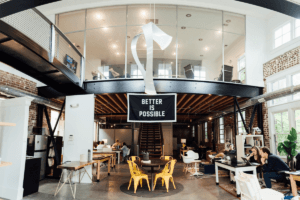
As we move into 2026, wellbeing at work has become a critical factor in business resilience and long-term success. With economic pressures continuing, margins tightening, and competition increasing across most sectors, organisations can no longer rely on growth alone to drive performance. People are now the defining differentiator.
Engaged, healthy employees are more productive, more adaptable, and more likely to stay with a business during uncertain times. Employers who invest in wellbeing at work are not just supporting their people, they are protecting performance, strengthening culture, and giving their organisation a competitive edge when it matters most.
Spotlight HR is a strategic partner to many businesses across London, East Sussex and the UK. From individual outsourced projects to assisting your in-house function, our experienced team specialises in HR services for SMEs. Wellbeing at work is a key area where we can assist. Please get in touch if you would like our help.